
Pick your poison: The enduring threat of biological toxins
February 2026
Food Edge Solutions founder Jennifer van de Ligt was invited to speak to the Bipartisan Commission on Biodefense at the Atlantic Council about the threats of toxins to the food and agriculture critical infrastructure. She talked about the risks of intentional adulteration of food to cause wide scale human health harm and the national security risks of off-shore supply chains critical food ingredients.
Watch the testimony starting at 3:24:45 and contact me if you'd like to learn more.

Toxicology Publication
January 2026
Food Edge Solutions founder Jennifer van de Ligt co-authored a study evaluating the metabolism of siamenoside I. The new publication established that, following oral intake, about 40% of siamenoside I was absorbed as mogrol, the cucurbitane backbone of mogrosides. The mogrol and its metabolites were rapidly excreted in the urine and bile with no evidence of accumulation or retention observed in any tissue.
Read the paper in Toxicology Reports at https://doi.org/10.1016/j.toxrep.2025.102185.
Food Defense Awareness Training
December 2025
Food Edge Solutions delivered Food Defense Awareness training to about 400 employees at a major infant formula manufacturer. The training was delivered in-person with an interactive format to facilitate engagement and discussion of the content. Training was provided to leadership, quality, production, processing, maintenance, and sanitation teams across all shifts.
Food Defense Awareness training is required Food Safety Modernization Act (FSMA) Mitigation Strategies to Protect Food Against Intentional Adulteration regulation (IA Rule; 21 CFR 121) for employees, and their supervisors, at actionable process steps. This facility chose to train above and beyond that minimum requirement so that all employees understand the concepts of food defense and its importance in their facility.
Learn more about Food Defense Awareness Training.

Food Defense Qualified Individual Essentials Training
November 2025
We are pleased to announce 14 new food defense qualified individuals (FDQIs) at frozen potato product manufacturer. The new FDQIs received training to perform all 4 roles that require FDQIs under the 21 CFR 121 – Mitigation Strategies to Protect Food Against Intentional Adulteration.
Want to learn more about our training programs?
Toxicology Publication
October 2025
Food Edge Solutions founder Jennifer van de Ligt co-authored a study evaluating the genotoxicity of kaurenoic acid. The new publication established that kaurenoic acid demonstrates no evidence of mutagenicity, clastogenicity, or aneugenicity when tested with current OECD guidelines. The study addressed 40 years of inconsistent conclusions and criticism from regulatory bodies that resulted from testing that lacked alignment with internationally accepted guidelines.
Read the paper in Toxicology Reports at https://doi.org/10.1016/j.toxrep.2025.102144.
Food Defense Mock Inspection
September 2025
Food Edge Solutions conducted food defense mock inspections at a major infant formula manufacturer to determine inspection readiness for the Food Safety Modernization Act (FSMA) Mitigation Strategies to Protect Food Against Intentional Adulteration regulation (IA Rule; 21 CFR 121). Opportunities were identified to improve the efficiency of their food defense plan including enhanced vulnerability assessment and mitigation strategy identification. As part of the mock inspection, we are pleased to announce 16 new food defense qualified individuals (FDQIs) for all 4 roles required by the IA Rule.
Contact us to learn more about our mock inspection process and how it can help your inspection readiness.

Pomegranate Pomace Allowed in Dog Foods
August 2025
(Updated January 2026)
After receiving a positive opinion from FDA CVM, the AAFCO membership voted to approve pomegranate pomace as a tentative ingredient for dog foods at the 2025 Annual Meeting and an official ingredient at the 2026 Midyear Meeting.
Official Definition T40.114
Pomegranate pomace is the residue from the normal processing of pomegranates for human consumption. This residue shall be suitable for animal food usage and may contain the skin, peel, seed, and pulp of the fruit. It must contain not less than 40% total dietary fiber (dry-matter basis) and be dried to contain no more than 10% moisture. It is for use in dog food as a source of dietary fiber consistent with good feeding practices.
Our experts developed the safety testing methods, coordinated dog food nutrient profile and production, and authored the scientific dossier for a successful regulatory petition for pomegranate pomace.
Contact us if you would like to learn more about how we can help you launch your new ingredients.
Xylooligosaccharides GRAS Notification
July 2025 (Updated January 2026)
Congratulations to Rayonier Advanced Materials, Inc. on receiving a GRAS No Questions Letter from FDA CVM!
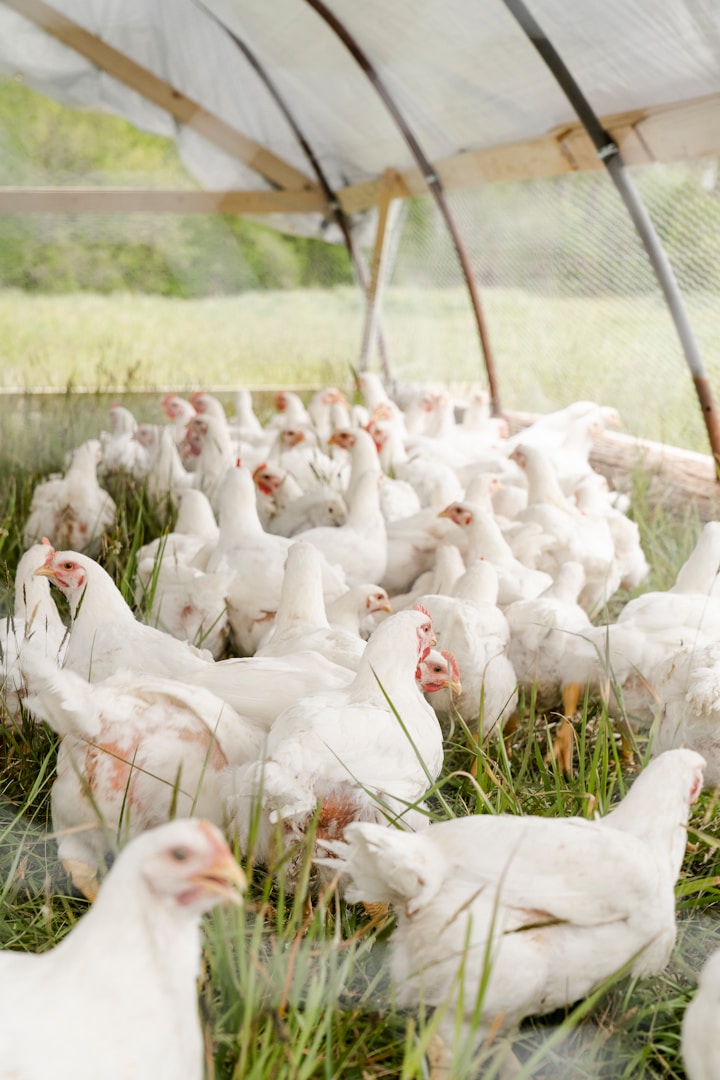
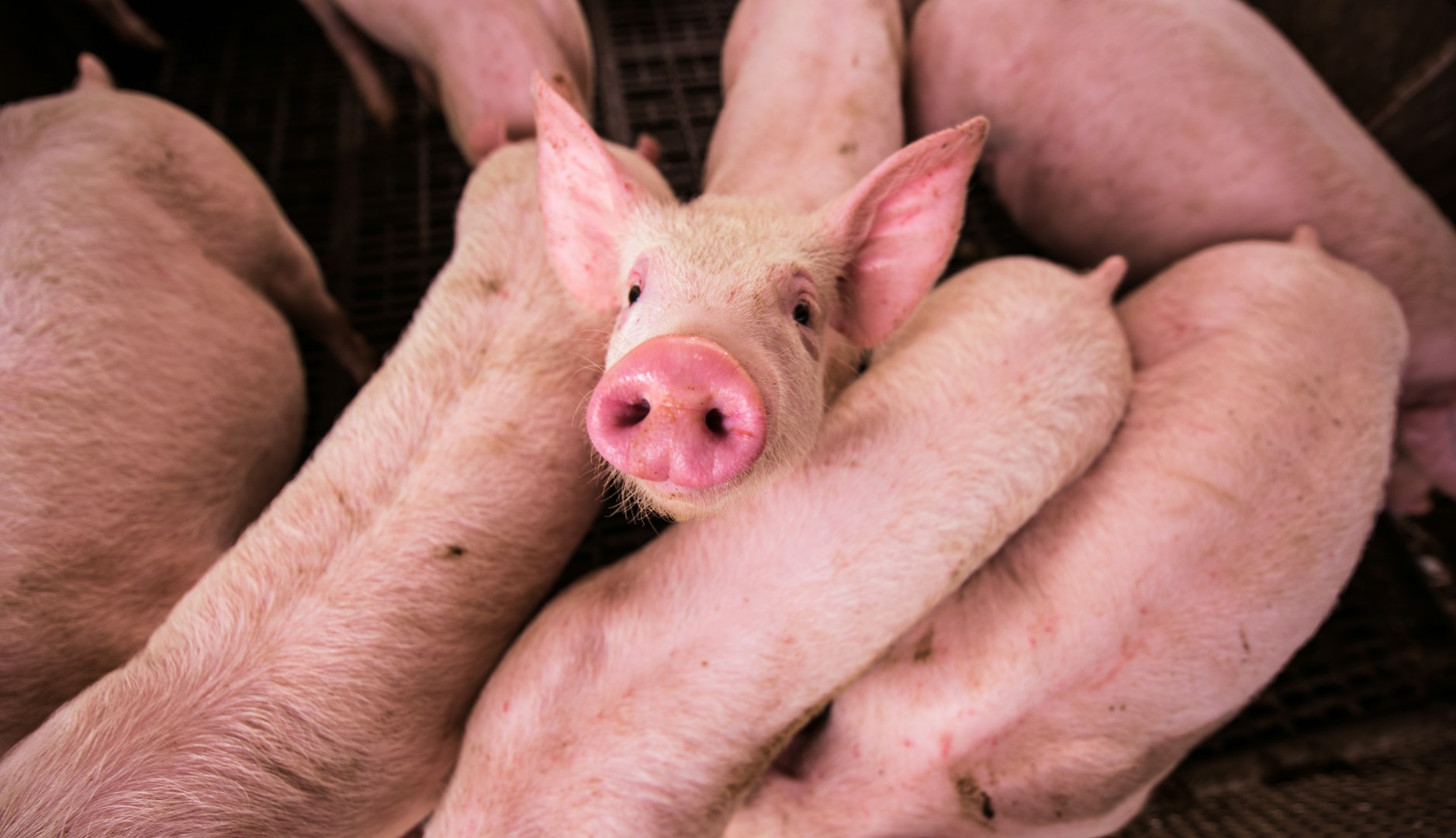
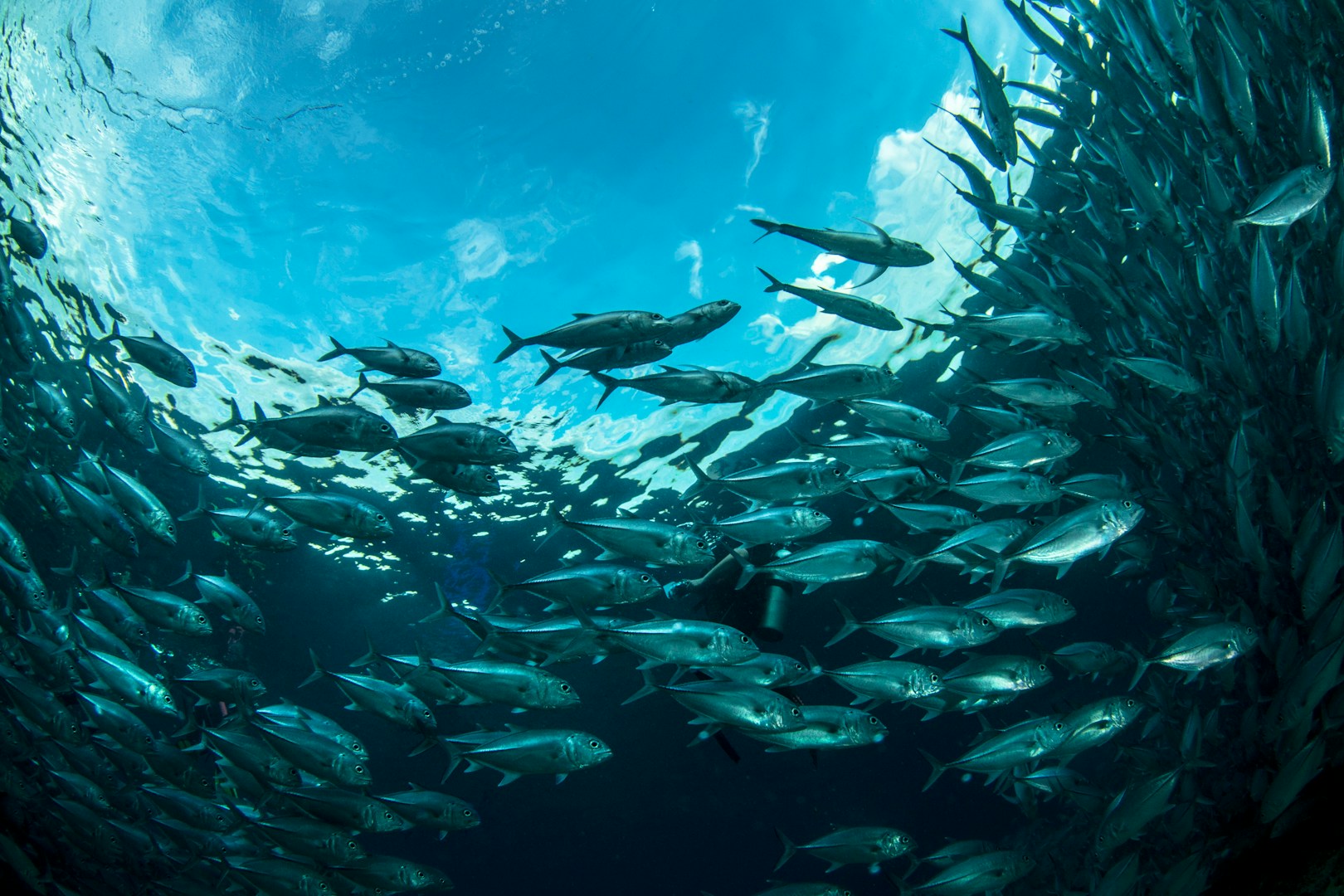
Their xylooligosaccharides are generally recognized as safe (GRAS) for use in poultry, swine, and fish feeds at up to 1% of the diets. Our experts collaborated with Rayonier during their development process, developed the scientific dossier strategy, and guided discussion with FDA CVM for a successful regulatory petition.
The xylooligosaccharides will be listed in section 101 of the next update of the AAFCO Official Publication.
Contact us if you would like to learn more about how we can help you launch your new ingredients.
Human Food Ingredient Regulatory Strategy
June 2025
A producer of specialty fats and oils is developing a new product for use in dairy products and infant formulas. We compared their product composition and manufacturing processes to ingredients considered traditional foods, novel foods, food additives, or GRAS status. We then identified the optimal regulatory pathway for market entry in the United States and European Union.
Contact us if you would like to learn more about food regulatory strategy in the European Union or United States.

Claims Evaluation and Substantiation
May 2025
We developed an easy-to-understand claims evaluation method for animal feed claims. The method was used to evaluate claims for over 50 animal feed product by target animal species combinations.
Each piece of client research was scored on quality criteria such as peer review publication, controlled design, field research, and primary or secondary sourcing. The research data was scored from ++ to –– based on statistical significance and supportiveness of the claim. Each combination of publication quality, significance of results, and consistency of results was used to assign a stoplight score.
Green claims were those in highest quality publications with significant, supportive, and repeatable research results. Red claims were those where results were not repeatable or adverse to the desired claim. Yellow and orange claims were intermediate or indicative of lack of research.
The client is using the claim substantiation reports as a communication tool to translate technical data into a format usable by their communications team.
Contact us if you would like to learn more about claims evaluation and substantiation.